
A retail-ready potty chair toilet seat is not defined by appearance alone. It must provide a comfortable child-sized fit, reliable stability, easy cleaning, clear product compatibility, and customization options for different retail needs. YiBei focuses on integrating these core elements into every design, helping retailers create private-label products that are practical, market-ready, and aligned with their brand positioning.

What Makes a Potty Chair Toilet Seat Retail-Ready
Child-Centered Stability and Comfort
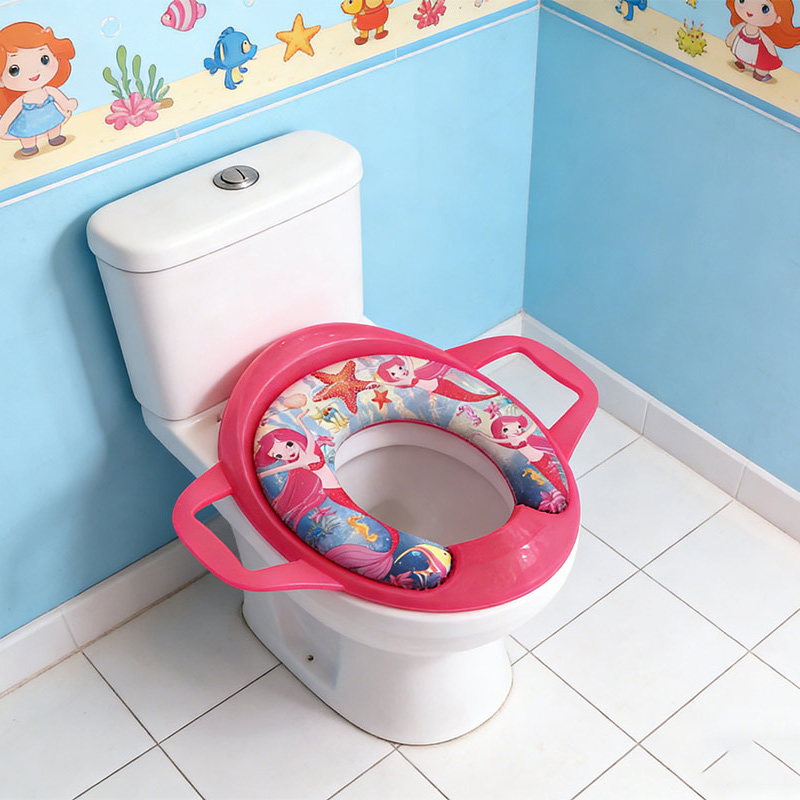
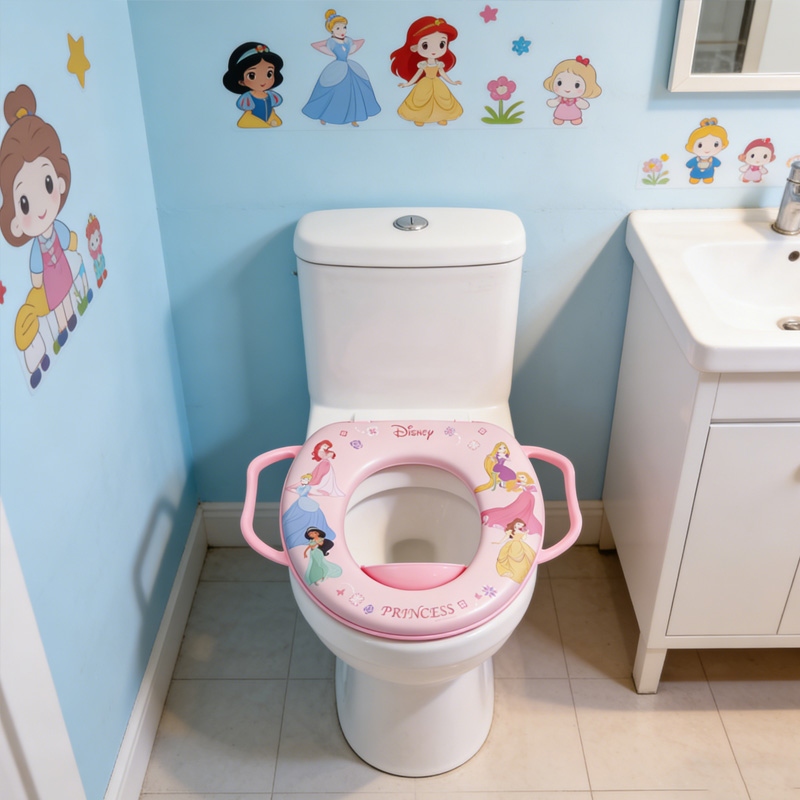
The potty training device should be created to include features that would give the child a smaller sitting area than an ordinary adult toilet has. The back of the device can be higher, the seat itself should be smaller in size for the child, its edges should be rounded, as well as the sides of the device should have handles on them.
Easy-Clean Construction
The toileting aids need to be used multiple times and, therefore, are supposed to be easy to clean. This can be accomplished by using smooth, non-porous plastic surfaces that are easy to remove.
YiBei manufactures kids’ potty chairs and toilet training seat accessories with washable surface and removeable components for some products.
Design Features That Improve Daily Use
High Backrest, Side Handles, and Splash Guard
The high back gives a definite support area for the child, while the side handles will assist in carrying the baby, position him properly, and also give extra stability and hand support. The front splash guard will help in preventing splashing, based on the actual product specifications and tests.
Toilet Fit, Base Stability, and Non-Slip Features
Compatibility with the toilet is an important product characteristic for the toilet training seat. The shape of the compatible toilet bowl, the dimensions of the seat opening, clearance, and attachment method should all be confirmed before the publication of such descriptions. Descriptions must include the approved shapes of the toilet bowl, its dimensions, and conditions of compatibility.
For the potty or step stool, the base should be considered together with the material that contacts the floor and the position in which the child stands or sits. Texture and rubberized feet may help prevent slipping, depending on the approved design of the product.
Materials and Specifications Retailers Should Review
Materials, Padding, and Surface Finish
Choice of material influences the weight, look, cleaning process, texture, and manufacturing process of the potty chair toilet seat. The product line of YiBei encompasses potty chairs for kids, training toilet seats, step stools, and other baby care items.
Product-Specific Claims and Compatibility
Retail buyers need to check the total size, seat opening, shape of bowl or insert, base size, step size (if any), and storage needs. Retailers also need to make sure whether the product is just a regular potty chair, toilet training seat, step-up, or convertible potty chair. This will make a difference in photography, packaging, and product category.
Ages recommended for use, user recommended range, load limits, compatibility, and market-based label information should all be derived from the final product specifications.
How YiBei Supports Custom Product Development
Colors Branding and Packaging
Moreover, a retail-ready potty chair toilet seat should have its visual identity too. YiBei offers OEM and ODM services for the selected children’s restroom products that include private label design, Pantone color matching, logo printing, pad printing, and custom packaging. These services will enable retailers to connect the potty chair seat with the overall line of baby care products rather than an isolated product itself.
Coordinating Potty Seats Step Stools and Bathroom Products
The potty chair toilet seat may be placed next to potty chairs, step-up potties, toilet back rests, toilet seats, and kids’ step stools. This makes for a well-coordinated collection that will help in catering to all the levels of toilet training with simple product descriptions.
To review related categories, explore YiBei baby-care products and map each product to its intended bathroom use.
The package must clearly indicate the basic function of the product, features, compatibility, and how to use it. The front panel may contain the configuration and selling points of the product, whereas the side or back panels may have the information about compatibility, materials, usage, warnings, etc.
A Practical Retail-Readiness Checklist
Design and Use Review
Before approving the product page, verify if the pictures reflect the real setup, if the handles and splash guard are visible, and if the cleaning process is clear. Verify if the product name reflects the product functionality.
Customization and Content Review
The final brief should contain the color selected, the logo approach used, printing site, packaging method, materials used, compatibility statement, and any additional language depending on the market being addressed. This will help YiBei have a definite point of reference while designing, testing, and packaging their product.
Conclusion
In this case, a retail potty chair toilet seat integrates child-friendly design features with practical everyday care considerations. Features such as high backrest support, side grips, splash protection, correct sizing, plastic construction, removable parts, and non-slip qualities may make it more user-friendly and understandable to talk about. The best content is specific about the potty chair approved and does not generalize.
Retailers as well as proprietary baby care products can benefit from YiBei as this company creates a link between the structure of the product and its color, branding, printing, packaging, and also an extended range of bath products.
Discuss a retail-ready potty chair toilet seat configuration with YiBei for your children’s bathroom product line.
FAQ
Q: Which features should retailers highlight first?
A: Features that consumers can comprehend easily include the sitting position, high back, side handles, splashing guard, ease of disassembly, smoothness, and non-skid properties. It is important to provide details about the compatibility of the item with other products, its washability, the material used in manufacturing, and the need for supervision after that.
Q: Does a potty training seat fit all toilets?
A: It should not be described as fitting every adult toilet without product-specific evidence. Toilet shapes, opening sizes, clearances, and attachment conditions vary. Retail content should state the intended compatible toilet types and direct buyers to the confirmed dimensions or installation guidance for the selected YiBei configuration.
Q: Are potty training seats safe for toddlers?
A: Safety is related to the design of the product, age or users’ range, installation, and proper usage. It is important for retailers to adhere to the manufacturer’s guidelines and market requirements when providing information about safety issues. Design elements like stable construction, anti-slip elements, appropriate size, and installation can help in realizing the intended purpose of the product.


